source: OSHA website/February 9, 2006
Educate your employees about the types of emergencies that may occur and train them in the proper course of action. The size of your workplace and workforce, processes used, materials handled, and the availability of onsite or outside resources will determine your training requirements. Be sure all employees understand the function and elements of your emergency action plan, including types of potential emergencies, reporting procedures, alarm systems, evacuation plans, and shutdown procedures. Discuss any special hazards you may have onsite such as flammable materials, toxic chemicals, radioactive sources, or water-reactive substances. An employer must inform employees of the fire hazards present in the workplace. 1910.38(b)(4)(i) Clearly communicate to your employees who will be in charge during an emergency to minimize confusion.
General training for your employees should also address the following:
- Individual roles and responsibilities;
- Threats, hazards, and protective actions;
- Notification, warning, and communications procedures;
- Means for locating family members in an emergency;
- Emergency response procedures;
- Evacuation, shelter, and accountability procedures;
- Location and use of common emergency equipment; and
- Emergency shutdown procedures.
|
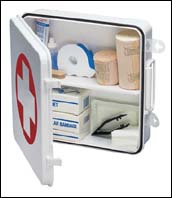
You also may want to train your employees in first-aid
procedures, including protection against
bloodborne pathogens;
respiratory protection, including use of an
escape-only respirator; and methods for preventing
unauthorized access to the site. Once you have reviewed your emergency action plan with your employees and everyone has had the proper training, it is a good idea to hold practice drills as often as necessary to keep employees prepared. Include outside resources such as fire and police departments when possible. After each drill, gather management and employees to evaluate the effectiveness of the drill. Identify the strengths and weaknesses of your plan and work to improve it. |
 |